

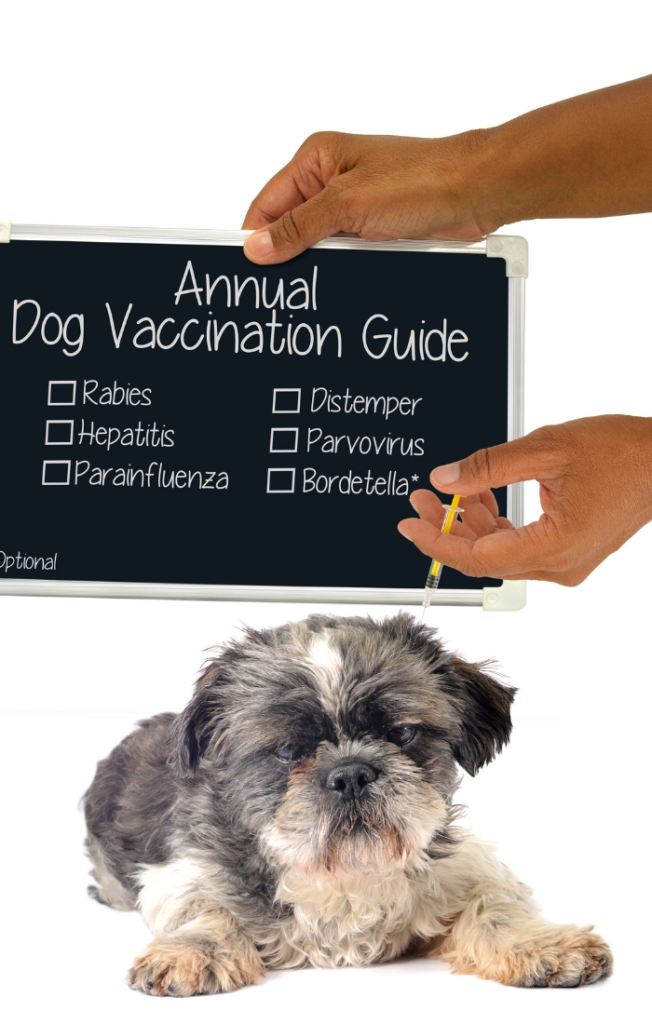
To keep our dogs healthy and protected from foreign diseases, it’s important we administer our dog’s vaccination schedule properly. While some of the vaccinations for dogs are mandatory, there are other optional vaccines that you could choose for your pet. The height of discomfort throughout the vaccination process could stress your dogs but it is suggested to get these shots for their wellness.
Oscar Daisy will guide you through the processes in vaccination of dogs: the types of vaccines, the health requirements, schedules and the side effects, in this post.
Vaccine:
Vaccines are medical preparations provided to stimulate the immune levels and to eliminate chances for severe illness. They contain antigens, which mimic the disease-causing organisms but do not harm the health system. Usually, the pups gain maternal immunity that shields them from the infections for the first few weeks since birth. It is transferred from the mother to the pup while they are still in the uterus through the placenta. But the level differs for every puppy. Hence, vaccinating your pooch with the right vaccines at the right age will avoid developing fatal diseases.
Vaccine types:
There are two types: the core and the non-core vaccines for dogs. The non-core vaccines are generally optional and can be prescribed to the dogs after consulting the veterinarian. According to the health and immunity of your dog, your vet will suggest the right vaccination program that concerns wellbeing.
a) Core dog vaccines:
These vaccines are highly suggested for dogs to avoid the risk of the transmission of diseases from both animals and human beings. The core-vaccines are as follows:
- Canine hepatitis
- Distemper
- Canine parvovirus
- Rabies
- Parvovirus
According to the country norms for pets, it is essential to provide anti-rabies vaccines, starting from their early period of birth. A follow-up booster must be given annually to avoid serious health issues.
b) Non-core vaccines:
These vaccines are not necessarily required for dogs. If your surrounding could pose severe infections and diseases, you can consult with a vet and fix your dog’s vaccination schedule. Before administrating it to your dog, your vet will surely evaluate the dog’s age factor, breed, size, medical history, and lifestyle. Some of the most common non-core vaccines for dogs are:
- Lyme vaccine
- Bordetella
- Leptospirosis
- Canine Influenza H3N8
- Canine Parainfluenza
- Deworming
Combination Vaccines:
During your routine visits with your pooch for vaccination, you can spot the vet provide a mix of vaccines in a single shot as a combination vaccine. They are mostly made of core vaccines or, a mixture of both core and other optional vaccines. They are commonly abbreviated as distemper vaccines. According to The Spruce Pets , they are:
D = Distemper
P or Pi = Parainfluenza
PV = Parvovirus
L = Leptospirosis
H or A2 = Adenovirus type 2 (also protects immunity against hepatitis)
C = Coronavirus
You can find the abbreviated combination vaccine names in your pet’s certificate. One exception is the rabies vaccine – it must be administered separately.
Vaccination Schedule:
The frequency and the timings for getting vaccinated will be determined by the veterinarian for your dog after careful evaluation of the pet’s medical history. For puppies, according to Indian Trail Animal Hospital the below-attached table can be followed. Please note that there could be elimination or addition of core and non-core vaccine administered to the pup, depending upon the need.
For adult dogs, vaccinations are encouraged either annually or once in three years.

Effect of Vaccine in dogs:
Vaccines require ten to fourteen days to produce a reasonable level of protection to the dogs. The predicted time for the vaccines to fight against the infections are as follows:
- Rabies – 3 years
- DHPP – 3 years
- Canine Influenza – 1 year
- Lyme Disease – 1 year
- Leptospirosis – 1 year
- Bordetella – 1 year
It is necessary to provide booster vaccinations after the predicted time frame to maintain the level of protection and to stop the decline of immunity in your pooch.
Side-effects of dog vaccination:
After vaccination, your puppy requires a 24-hour complete rest. This period will also help you determine if there are any mild after-effects like pain and discomfort. Lost appetite, diarrhea, inflammation, itching, or fever – if you find these side-effects, please take them to the vet immediately.
Over-vaccination:
The dosage of vaccines is the same for all the dogs, regardless of the size and breed. It does not mean that giving smaller dosage for pups will reduce the effect of the vaccine. Sometimes, a dog might not require a booster vaccination as their immunity is naturally balanced due to the previous dosage. Hence, it is not required to over-vaccinate the dogs.
The necessity of vaccination:
Many dog parents think that vaccines for dogs kill the natural immunity system in them and that it could cause harm to them. But this misbelief has led many dogs to contract serious health issues like rabies, parvovirus, and canine influenza, which could pose danger for their humans as well. You might find it unnecessary but keeping your dog healthy and safe should be your utmost priority. And properly following your dog’s vaccination schedule is the first step you can take to ensure that. Consult your vet for advice if you find yourself confused.
Please note: This is a generic article for informative purposes only. Consult your veterinarian to understand better about vaccination schedules and procedures for dogs.

Our dogs have a natural enthusiasm for the outdoors. Nothing thrills your dog better than you reaching out for his/her leash (of course food is an exception). It is important to walk your dog once or twice a day for at least an hour. It boosts their energy and maintains their weight. Walking with our dogs can also relieve our stress and help us maintain our health. Our dogs love to check out the scent and sight outdoors and they could get too excited when we bring them out for a walk. Sometimes this makes it a tedious job for dog parents to take their dogs for a stroll. Here are 5 interesting ways to make your dog walk more fun.
Find new routes to explore
If you walk by the same route every day, it could become a forever routine for both of you. To make the walk more productive and interesting, try looking for lesser walked pathway and routes. This way, you can introduce your dog to new sights and scents. There are so many smells and sounds that could mentally stimulate your dog. The new scenery and path will help your dog wander around more.
Include exercises:
If your dog likes to chase after balls or to pick up rubber sticks, you can carry it along with you when you start for a walk. It is important to add interesting elements while relaxing in the outdoors. Include commands like sit, stand, walk, down or trick your dog to run or jump and praise him with a treat or a gesture of encouragement. It could be hard in the beginning but he will eventually enjoy the experience. If you find any stairs nearby, ask him to climb up and down. You could simultaneously do the same to provide yourself with cardio exercises.
Train him to do off-lead walking:
If you spot any safe and dog-friendly spot nearby your walking route, you could let your dog off-leash. Initiate games that will make him run, sniff, and grab his toy. This requires a lot of patience and concentration as it could take a long time for your puppy to learn. Before you go off-leash, you should ensure that your dog consistently comes to you when called.


Tag along with a friend:
Finding dog owners in your neighborhood to walk with can help in many ways. Your dog would have a partner to play around and you could also have a good opportunity to talk. Make sure that the dogs are comfortable with each other else, it could turn out messy. Having a playmate will help your dog to self-discipline and he could pick up good actions from his friend. But if you find your dog misbehaving, you can do some obedience training and he will get back on track.
Now have fun and stay healthy while you walk your dogs!!

Summer is coming soon. Swimming is the perfect summer activity for almost everyone. What better way to beat the heat than taking a dip in the cold waters? Some pet parents also prefer to take their dogs to swim with them.
Though the majority of dogs enjoy spending time inside the cool water pool, their safety is still a worry for the parents. Humans have easily adapted to stay inside the chlorine mixed water while we swim. But is chlorine safe for dogs?
Public and private swimming pools use chlorine or bromine to prevent the growth of unwanted bacteria and microorganisms. The right amount of these chemical compounds can kill smaller organisms. Luckily, they are not harmful to humans and dogs.
When the pool owners fail to properly sanitise the swimming pools by adding more or less amount of chlorine, it can have negative effects on us. For humans, it could cause skin problems, while the risks for dogs are high if the water enters the sensitive organs like ears and eyes.
If the eyes look red or if they cough profusely, remove them from the pool immediately. Help your dog dry him/ her well and check for symptoms of allergies. It is ok if your dog has consumed pool water, it is alright but this directly relies on the chlorine used.
If your pooch vomits or pees inside the pool, please take them out of the water and do not use that water again. Make sure to clean the pool properly for your next use.
The duration of the dogs inside the pool should be also checked. Too much exposure to chlorinated water can lead to skin irritation. You can prevent this if you properly rinse your dogs after the session.


Dogs can easily feel worn out inside the water so feed them with good food once they are back on the land. We at Oscar Daisy offer a wide range of recipes and diet plans that includes healthy sources for boosting their energy. Our nutritional food does not include any artificial preservatives or additives and is 100% home-cooked. Our specially made dog treats are also a great source of healthy factors. Subscribe to us or check here for more information.
Despite the risks, some veterinarians suggest that swimming pools are safer than freshwater bodies like beaches due to the bacterial content. The recommended level of chlorine in pools is 1-3 milligrams per liter for both humans and pooches. So, before you get into the water with your pets, check for the stats to avoid complications.
Swimming pools are a great place for dogs to rejuvenate, exercise, and play for dogs. You can get into the water along with your furry friends but always monitor their actions. Teach them how to exit the pools or how to navigate inside the water.
As long as you follow the protocols, you do not have to worry about their safety. This summer, beat off the heat with your puppy in the best way possible!

A weekend getaway with your family is the best way to rejuvenate and relax from your busy schedule. Taking your pooches along will make the trip extra exciting for your family and your ‘fur-ends’. A pet-friendly road trip might sound like a handful task, but you can make road trips with dogs easier with a few tips.
Here are 7 important thing you need to take care of while planning road trips with dogs :
Plan a dog-friendly journey:
If your dog is traveling for the first time, get him/her used to the car atmosphere by having a few test drives. Do not choose for long trips in the beginning and avoid mid-day travels to keep your doggy away from dehydration. Make sure to choose routes that are feasible to take multiple pit stops. Your dog needs to have enough potty breaks and breaks to stretch his/her body. You can also book pet-friendly hotels and restaurants available at your destination.
Consult with your vet:
Before hitting the roads, get your puppy checked by his veterinarian. Make sure he is physically and mentally fit to travel. If he pertains to any health issues, ask for precautionary tips, and carry necessary medicines with you.
Pack your dog’s necessities:
Just like how you pack your toiletries and essential items, pack a bag exclusively for your dog. Remember to pack your dog’s food, bowl, medical certificates, leash, and collar, treats, chew toys, blankets, pillows, and travel-sickness bags. Most importantly, if you are not opting to microchip your dog, carry a name tag.


Prepare your dog:
Training your dog a few days before the date of departure will make the trip easier for both of you. Teach him to take his potty at your command to avoid delays during the trip. He could feel uncomfortable to poop unfamiliar places so try to inculcate commands that he would listen to later. You can also treat them when they listen to your commands.
Plan his meal times:
Do not feed your dog a meal right before the trip. It will make him feel nauseous. You will have to take regular loo breaks. Make sure he is fed at least four hours before the trip. Take him on a long walk or to play. Or you can make him take a long duration of exercises which could get him tired. This way, he will dose off once you start your road trip. A good sleep session is beneficial not just to him but for you too.
Make the trip a fun time for your dog too:
Keep your puppy entertained throughout the trip. Play soothing music, give him a chew toy, or interact with him once in a while. Make sure your doggy is busy else he could build up stress. You can keep your windows half-open and maintain the travel speed to avoid motion sickness. Also, monitor his water and food intake; take regular pit stops for your dog to warm up. Don’t leave him unattended! Plan a fun road trip with dogs and your family and have a happy journey.

Dehydration in dogs is a very common temporary condition that you can find . Just like humans, dogs tend to run out of energy due to lack of water content in the body. Dehydration occurs when his/ her body loses more fluids through profuse sweating or if he is not drinking enough water.
Especially during summers, it is essential to check if your puppy drinks adequate water to avoid the dangers of dehydration. Many experts say that keeping our pooches hydrated directly impacts their overall health. So, how does dehydration in dogs occur?
When dogs do not drink enough water, their blood volume drops, leading to a loss of electrolytes. Hence, they lose all of his energy. You can find your dog panting, their mouth dry, or vomiting. Sometimes, if we fail to provide water for very long hours, it could lead to death. So, you must keep track of his body water levels.
The other common symptoms of dehydration in dogs are diarrhoea, dark urine, lack of appetite, dry mouth and nose, sunken eyes or collapsing. Sometimes, they tend to slowly lose the elasticity of the skin.
Many reasons lead to dehydration in dogs. It could be lethargy from the dog parent’s side or due to the climatic conditions. To add more, dogs can feel dehydrated when their body is overheated and overexerted.


Also, dog’s bodies naturally lose water through panting, urinating, sweating and evaporation through paws. But they regenerate the required amount of water through their meals and drinks. If that is not properly monitored, your pooch could suffer from dehydration.
We at Oscar Daisy offer a wide range of healthy recipes and diet plans that includes healthy ingredients for balancing the water levels in your dog’s system. Our nutritional food does not include any artificial preservatives or additives and is 100% home-cooked. Our specially made dog treats are also a great source of healthy factors. Subscribe to us or check here for more information.
Electrolytes like sodium, potassium and chlorine are necessary to balance the dog’s pH levels. So, make sure to include food rich in these nutrients and pave way for cleaner water access, all the times.
If you suspect your dog to be dehydrated, provide him with clean and cool water immediately. You can also provide medically prescribed electrolyte-enhanced fluids or powders to boost his energy levels. But again, we advise you to take him to the veterinarian soon because this could also lead to a medical emergency. The vet will administer intravenous fluids to strike a balance with the lost fluids. The vet might also take a blood test to clarify the seriousness of the condition.
To prevent dehydration in dogs, always place freshwater near your dog’s area, so that he can drink it whenever he wants. If the climate is too hot, do not push him for more workouts and walks. And when you are traveling, do not ever leave him alone inside a car.
The thumb rule is that everyday dogs should consume 50-60 ml of water per kilogram of their body weight. Check the bowl for refills and clean it to avoid the growth of bacteria. You can consult with a veterinarian for the water level requirements if he has any health conditions.
In the end, as pet parents, you have to stay hydrated as much as your pooches too. Water is purely beneficial so make sure to drink the required amount. Provide them with dog food that has rehydration elements. You can change the exercise routines according to the seasons to avoid dehydration in dogs. It does not occur only by lack of water intake so be careful and always be alert of their activities.

Bob Barker once said that a person who has never owned a dog has missed a wonderful part of life and we completely agree with it. Dogs have the magical power to make your life wholesome. The benefits of having a dog are plenty. It does not only mean you have a companion but you’ve increased your life quality.
Having a dog is a huge responsibility but it tends to have a positive effect on you. Oscar Daisy lists out the ways your dog can help you and your family, apart from the unconditional love that you receive.
Improves your physical health:
When you have dogs at home, you are expected to take complete care of them. Taking them for walks, training and playing with them and spending time with these furry friends can have a great impact on your physical health. Your body weight and stamina are maintained as you do these regularly. Apart from outdoor activities, cleaning and feeding your dogs are also a process that provides an activity to your body. Several researches have proved that dogs will ensure to keep you away from being lazy.
There are surprising health benefits of having a dog. It can make you physically active; hence you are more likely to have a healthy heart. Your Body Mass Index balances as you go on regular dog-walking sessions. Especially for young children, having a dog will keep them on toes and away from major body discomfort. In short, they are your best physical trainers.
Boosts your mental health and happiness:
When we talk about mental health, we denote the levels of stress, loneliness, restlessness, and other emotional issues. If you live by yourself or spend more time alone, you can kick out loneliness by owning a dog. They will always be waiting for you at home. Cuddling with your dogs, playing with them, or even sitting next to them lowers your blood pressure and stress levels. Many studies have also revealed that having a dog can improve your mental fitness and reduce symptoms of depression. Talking to your pet can also make you feel less lonely, thereby breaking the chain of bottled emotions.


Detects health dangers before it occurs:
Several research on pet dogs reveals that they can detect low blood sugar levels. It is possible that dogs can sense danger with the muscle tremors or the change in the dog parent’s scent, says Live Science.
Exposure of young children to dogs can also reduce the risk of developing eczema and anxiety. Also, when the owner displays a different body language or behavior, dogs can identify and warn about seizure attacks prior. Such alerts help the owners to take proper medications or contact for help.
If you can train your dogs to identify the behavior, risks, and food that you are allergic to, they will respond at the required moment. Dogs can steer you away from harmful substances, food harmful to you, and also from any threats.
Helps in building a social life:
Having a dog helps you to work on your emotional self. You tend to open up better, find solace in connecting with them; therefore it becomes slightly easier for you to interact with other people. You are more likely to connect with other dog parents and bond with them. That way, your dogs get to have some friends too. You can walk your dogs together or take them to parks. Apart from this, dogs display controlling movements when they find their parents in distress. They either comfort the person or push them to do something else for distraction. No wonder dogs are man’s best friends!
Looking after a pet is surely a tough job but when we look at the picture, we do not just give shelter to a furry friend. You evolve and grow along with your dogs in every aspect. Well, there are many more benefits of having a dog.
Share with us your life changing experiences with your pooch!

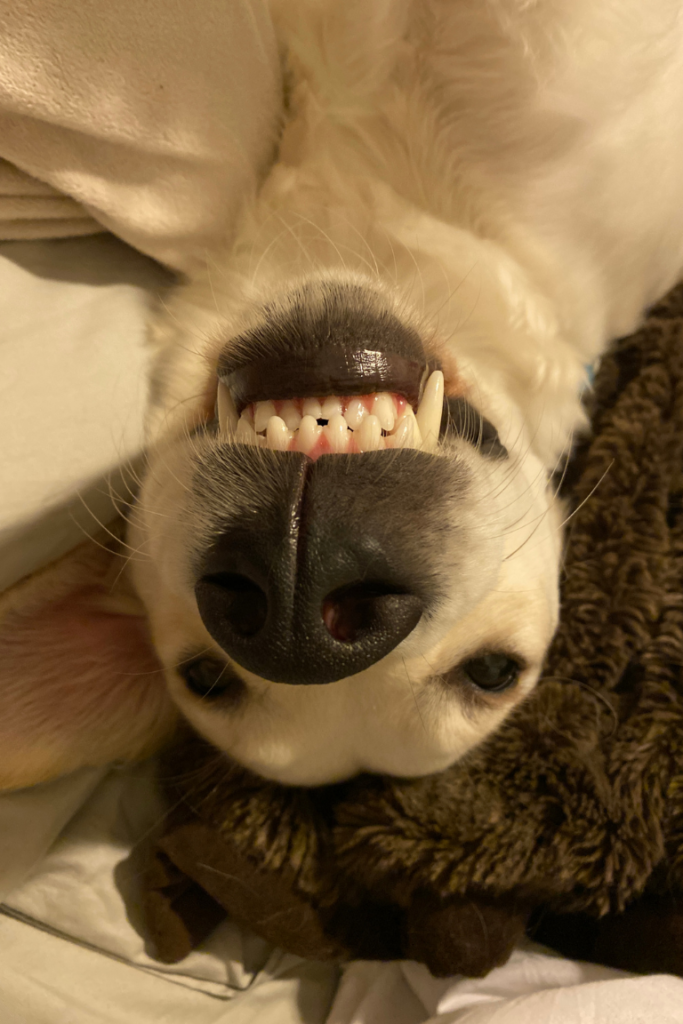
You’ve probably heard that dogs have a cleaner mouth than humans. But have you ever wondered if it actually is? Then the answer is “NO”. Comparing your dog’s mouth to yours, is “like comparing apples and oranges” says Colin Harvey, Executive Secretary at the American Veterinary Dental College. Negligence of our dog’s dental health can cause periodontal diseases at their young age. Hence, it is important that we take our dogs for a dental check-up regularly.
Improper cleaning and ignorance of maintaining dental hygiene can lead to a variety of diseases like tooth decay, tooth loss, bacterial growth and bad breath. Oral hygiene plays a vital role in your dog’s overall health.
Here are few reasons why you should maintain your pooch’s dental hygiene.
- Avoid Bad Breath:
Bad breath in dogs, also called halitosis, is caused by plaque build-up. It also encourages the growth of harmful bacteria which can disrupt the chemical composition of your puppy’s saliva. The irregular oral microbe growth will cause bad breath. So, it is important to brush your pooch’s teeth regularly with proper dog-specific products.
2. Prevent tooth loss:
Over years, your dog’s dental structure can corrode or get infected due to several reasons ranging from the wrong diet to the growth of bacteria in the mouth. This can become a serious issue and result in teeth loss. Check if your dog shows any of these signs: broken tooth, excessive drooling or bleeding gums. If found, rush to the veterinarian for a proper dental examination. If you do not attend to the concerns, your dog can develop issues with food intake which can directly affect their nutrition. So, we should ensure to prioritize dental care for a healthy life.
3.Protects from long-term health conditions:
When we do not tend to attend the dental problems, bacteria can enter the bloodstream, causing damage to the dog’s kidneys, liver or sometimes, their heart. This process is medically known as Bacteraemia. The symptoms for this infection are usually fever, low blood pressure, gastrointestinal problems or rapid heart rate. Always check that your dog’s oral hygiene is good to avoid such complications.
4. Avoids difficulties caused by baby teeth:
Like humans, dogs also lose their baby teeth once they are fully grown! They start to have 42 adult teeth but for that to take place, the baby teeth have to fall out properly. Sometimes, either the teeth won’t fall out or it could cause more pain to dogs. So, if you are not taking care of your dog’s dental health seriously, it can lead to gum irritation and tartar build-up.
5. Early identification for a happy dog:
Developing dental health issues at a young age can make it hard for your dogs to eat and chew. It might not be very evident because dogs are good at hiding their pain. You will not be able to see signs of pain until the problem advances to a severe level. So, scheduling for regular dental check-ups will help you maintain their oral health.
6. Brushing can control their overall health:
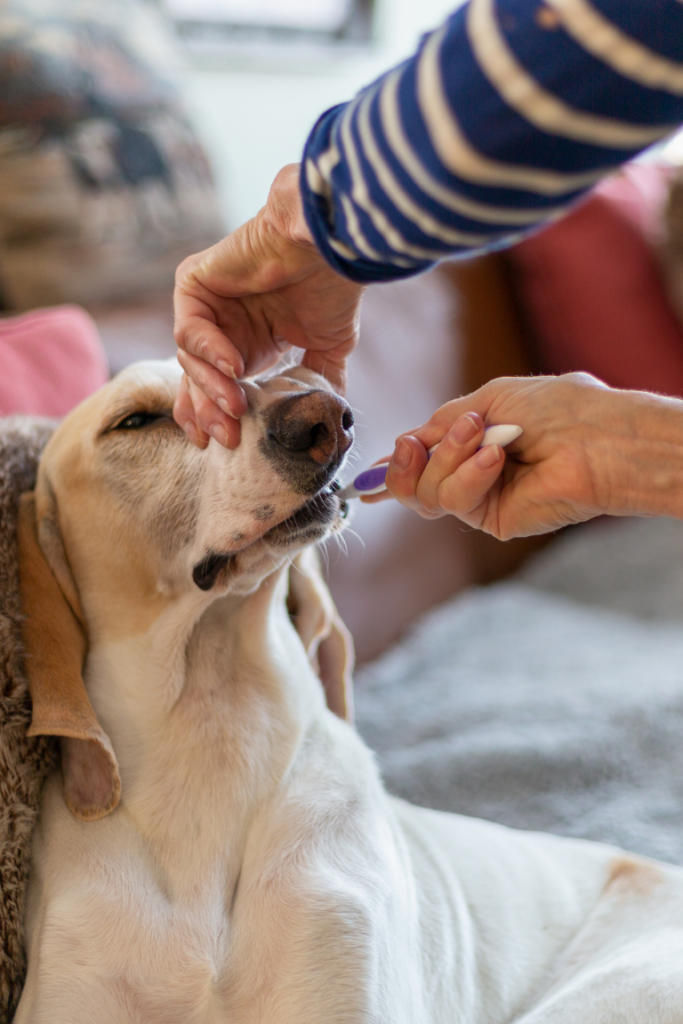
Dogs tend to lick and eat stuff that is rather nasty or dirty. To ward of illness, you can brush their teeth regularly. If it is not possible, provide them with dental supplements or dental treats to keep their teeth clean. If you start this habit in the early stages of their life, dogs get used to the routines.
Apart from this, you can maintain your dog’s dental health by brushing their teeth. This prevents the build-up of tartar and infections. Buy proper dog-specific toothpaste and an appropriate toothbrush to use. You can reward them with Oscar Daisy’s healthy treats to make them cooperate. But before you proceed with any products, consult your vet for proper usage.
If you feel that your dental care for dogs is not sufficient, take them to veterinarians who can help you with a proper diagnosis of oral health. Some veterinarians offer assistance to do dental cleaning for dogs. It could cost you more, but it is important to keep infections at bay. Hence, caring for your dog’s dental health can help them maintain a healthy lifestyle.

Oatmeal is a delicious and most popular breakfast food for many. It offers nutritious benefits when added to any diet plan. Oatmeal is a staple choice found in various kinds like milled, rolled, and steel-cut. The question is, is oatmeal good for dogs?
The answer is a huge yes! The benefits of oatmeal for dogs are plenty. It has a plethora of proteins, soluble fibers, nutrients, antioxidants, and minerals present in them. If we serve it in correct proportions, dogs can be benefited to a great extent. Oatmeal is the perfect replacement for dogs with wheat or gluten allergy. One bowl of oatmeal can offer vitamin A, zinc, iron, calcium, phosphorous, and copper to your doggies. It can regulate your dog’s bowel movements, blood glucose levels, and cholesterol.
Many diseases related to heart and diabetes can be avoided with the proper consumption of oatmeal. Oats cooked with water alone can serve as a perfect snack for dogs. If you prefer, a meal topper can enrich the nutritional values. If your dog is usually dehydrated, this is an easy way to provide more water.
The surprising part is that oatmeal contains omega-6 fatty acid. This can have a great effect on your dog’s skin and coat. But, as all other human food, it must be served in right proportion to retain its goodness.
How do we feed oatmeal to our dog?
Before you proceed, please consult with your dog’s nutritionist or veterinarian for safer usage of oatmeal. Never choose processed grains for dogs. Make sure to buy whole grain oats to retain the benefits. If it is pre-packed oatmeal, check for the ingredient list. If it contains excess sugar, do not purchase it.
Initially, serve oats in the simplest way possible. They naturally have a bland taste, so do not add any sugary ingredients to them. You can cook them with water for a pet-friendly meal. Please refrain from feeding raw or uncooked oats to your dogs.
Adding milk to the mixture is also not advisable. You can serve the cooked oatmeal for dogs as a meal topping. It is a perfect snack, but never a wholesome meal. Prepare the right proportion of oats and serve it in the moderate temperature. You can add an egg, pumpkin puree, fruits or sunflower seeds to make it healthier.
The major effects of feeding too much oatmeal can be diarrhea, vomiting, and bloating in dogs. Ensure to feed your dogs with the right portions. If your dog shows any adverse reactions, consult with your vet.


We at Oscar Daisy offer specially baked Oats Pumpkin treats for the good health of your dogs. It is a great way to serve the benefits of oatmeal for dogs. The treats are a great source of healthy factors. Also, a wide range of recipes and healthy diet plans with human-grade ingredients are the best choice to maintain your dog’s system. Our nutritional food does not include any artificial preservatives or additives. Subscribe to us or check here for more information.
Disclaimer: The above-made statements are suggestions and facts. Do not proceed with feeding any ingredients to your dogs without proper consultation with your veterinarian.

The amount of love and affection that you receive from your dogs is unexplainable. They come into your lives at the right time, when you need them the most, and make your life beautiful. Here is a list of the 6 best dog movies to watch with your dogs!
101 Dalmatians – 1996:
101 Dalmatians is one of Walt Disney’s best dog movies that was released in 1996. The story revolves around dog parents who try to rescue their London dalmatians from a villainous lady, Cruella De Vil. She kidnaps puppies to make fur coats. This comedy movie has a perfect balance of thrilling and heart-warming scenes. You can watch it on Hotstar along with your puppy to witness the live-action of the smart dalmatians.
Marley and Me – 2008:
Marley and Me is a perfect family movie about a young couple’s journey of life with a new house, a new job, a new dog, and their kids. This movie shows how family and our furry friends stick to us at our ups and downs. You will cry, laugh, smile, and relate to the movie in the best way if you have had a dog for the longest time. Check out Amazon Prime Video to check this movie off the list now!
Hachi: A Dog’s Tale – 2009:
If you are a fan of emotional movies, this is our best bet. Hachi: A Dog’s Tale beautifully portrays the story of a professor who takes in an abandoned dog and forms an inseparable bond over time. Based on a true story, this movie can move mountains with its simple narration. Keep your tissue boxes ready before you stream it. You will not regret watching this piece.
Where to watch? Enjoy this best dog movie in Amazon Prime Video.
Eight Below – 2006:
If you are a dog lover who is a huge fan of Paul Walker, this movie will serve you the best. The plot revolves around the depth of hope and bond between the dogs and the scientists who leave for an Antarctic expedition. The performance of the dogs is excellent, courageous, and smart and they definitely steal the show. Watch this best dog movie on YouTube.


Dil Dhadakne Do- 2015:
One of the most liked movies in Bollywood – Dil Dhadakne Do is not entirely about dogs but it could become your next favorite movie. The adorable Pluto steals the show with his perfectly timed entrances and his narration. You can stream this with your family on Netflix to have an emotional rollercoaster ride.
Naaigal Jaakirathai – 2014:
A striking cop-dog duo taking over a criminal investigation in this Tamil movie will keep your eyes glued on the screen for sure. Naaigal Jaakirathai glorifies the strengths of Mani, the guard-trained dog, and his inseparable bond with the cop. Where to watch? MX Player
These are our personal favorite dog movies at Oscar Daisy. Share your favorites in the comments!

Monsoon in India can be fluctuating every year- it is either too cold, moist or very harsh with storms. It is also the most popular season for humans to fall sick. But did you know that our dogs are also prone to getting sick during the rainy days?
The temperature usually drops during November across India, along with unbearable cold showers and winds. When you can see the climate changing, make sure to check for the following symptoms for common illness in your dogs, to avoid complications.
1) Frostbites: During monsoon, the skin of your pooches might swell and turn pale. In extreme cold, the body cuts off blood flow to the extreme edges of the body to keep the essential organs functioning. The reduced blood flow leads to the formation of ice crystals and hence, damages the tissues.
The symptoms of frostbites are discoloration – pale, grey or blue, brittleness of the area when touched, acute pain in the affected area, swelling and skin ulcer. Delaying treatment for frostbite could lead to bacterial infection and decay.
To treat frostbites apply warm water to the affected areas and refrain from offering any painkillers to your dog. Do not massage the areas, as it could cause more pain. Take him to your veterinarian for more assistance.

2) Hypothermia: Hypothermia is similar to the human conditions caused due to lower body temperature. This can happen due to exposure to frigid temperatures. Wet fur can be dangerous for dogs during cold seasons.
The rate of heartbeat and breathing might slow down, leading to other complications. It can leave a lasting neurological problem, kidney failure and frostbite, if not catered to. Symptoms of hypothermia are shivering due to wet skin, restlessness and lethargy.
You can check for hypothermia with a rectal thermometer for dogs. Wrap them closely in a warm blanket and consult a vet.
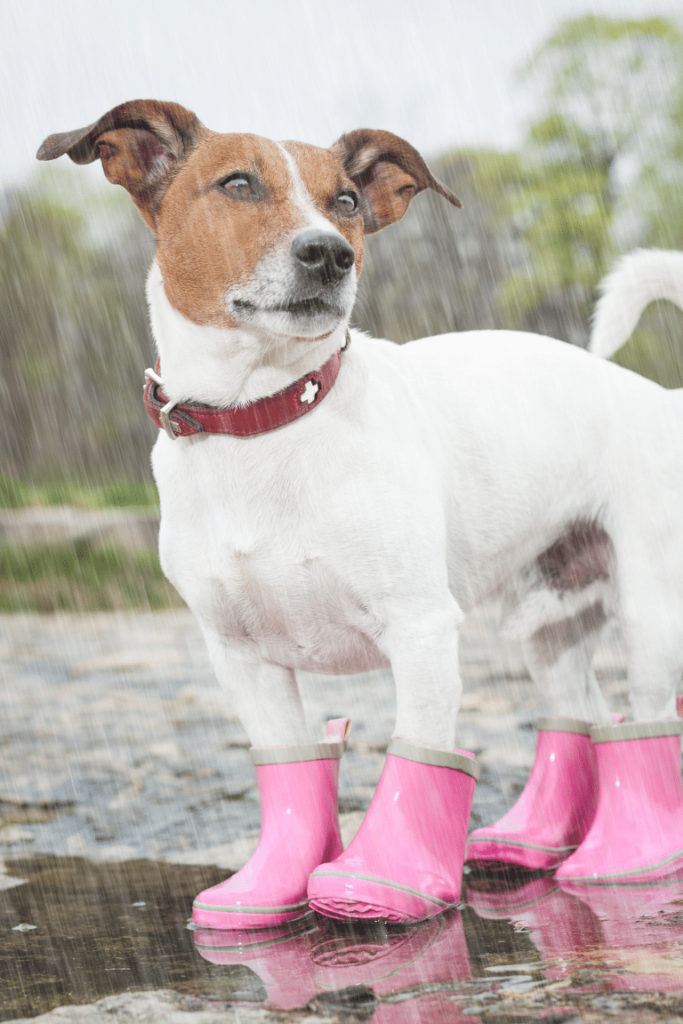
Consult with your veterinarian to know about the quantity that must be fed. Sweet potatoes have a low glycemic index so if your dog has a diabetic history, please ensure if they can be included in their diet. The best way to start including sweet potatoes in your dog’s meal is to feed him with a small amount. The condition can also be avoided if you keep your pooches warm and ensure they are not exposed to cold temperature or rains for a long time. You can cover their paws and body warm with boots, socks or sweaters.
3) Arthritis: Arthritis causing pain and discomfort due to inflammation of joints is a common condition among both humans and dogs. But unlike us who voluntarily admit the pain, dogs tend to show grumpiness or laziness.
Arthritis is mostly found in older dogs, but it can occur in an earlier age too. In this condition the dog’s cartilage within a joint is damaged causing the bones in the joint to rub together. This leads to stiffness of joints and hence, the development of pain.
This condition cannot be diagnosed accurately. There are no proper preventive measures for Arthritis. If you find your dog limping, walking slow or unable to move around with comfort, take your dog to the clinic for tests and X-ray examinations. Weight control and exercise can be the best therapies for dogs suffering from arthritis.
Here at Oscar Daisy, you can find a range of nutritional diet plans, with natural ingredients and healthy recipes, curated specially for your furry friends. You can pick the meal package the suites your pooch after consultation with an in-house veterinarian, to keep their weight balanced.
4) Dog Sniffles: Just as we humans are prone to catching a common cold now and then, dogs too catch a cold often during monsoon. It is not a serious condition, but ensuring good care is important to avoid consequences.
It could be a slight cough, runny and wetter nose, sneezing or fatigue in dogs that indicate sniffles. If you find your dog suffering from cold, keep them in warmer conditions. Feed them warm and easily soluble food to increase energy. You can take your pooch to the vet if the condition doesn’t improve in a few days. Some stubborn sniffles require medications.
If you have other dogs or pets at home, try to isolate the sick puppy from the healthy ones to avoid transmissions.
5) Kennel Cough: Kennel cough is a respiratory sickness in dogs caused by different bacteria and viruses. Cold temperatures and poor ventilation are the possible reasons to contract the illness. They are very contagious and hence, it is best to take your dog to the clinic in the early stages.
If your dog struggles with a dry cough, runny nose, fever, eye discharge, loss of appetite or sneezing, it could be kennel cough condition. Mild cases are easily curable but if the infection spreads, medications will not be enough.
Nevertheless, isolate your dog from other pets to stop the spread of the infection and avoid using a collar. Keep your dog warm and in humid conditions with a cozy blanket. During rains, try to avoid letting your dog stay inside the kennel to avoid the growth of bacteria.
6) Pneumonia: Throughout the monsoon, many dogs experience pneumonia. It is a breathing problem caused by less airflow due to inflammation of lungs and airways. It can be caused due to deficient oxygen in the blood and viral infections in the respiratory tract.
Signs of pneumonia include lack of appetite, deep coughs, labored breathing, increased body temperature and high exposure to wet and cold atmosphere. It occurs as flu and can be treated within weeks but if it pertains, you have to take your dog to the clinic for better diagnosis. You can wrap your dog in a cozy blanket or provide them with comfortable clothes to keep them warm.
It is suggested that you provide ample care to your fur babies during rainy and cold season. Spending long hours in the cold, outside and poor maintenance of the atmosphere could cause our dogs various illness. Providing your dogs with proper food and warm shelters can keep them them safe from these common illnesses. Make it compulsory to have a thorough check up with your vet during monsoon season.