

A dog makes our house a home. They give us unconditional love and immense joy. Is it not important to give these wonderful members of our family the best care and medical attention when they fall sick or are injured? Bajaj Allianz Pet Dog Insurance policy helps you protect your dog’s life by providing them the best treatment while eliminating the risk of high medical expenditure.
On August 2020, Bajaj Allianz General Insurance launched its new product exclusively for domesticated dogs, becoming the first insurance company to launch a policy that covers expenses for the health of dogs.
The Bajaj Allianz Pet Dog Insurance policy has come up with this idea because when every family member holds health insurance, why not your furry member? It provides insurance coverage to pet dogs of non-pedigree, pedigree, indigenous origin, cross-bred, and exotic breeds over the lifetime of dogs from 3 months to 10 years, depending on the breed.
The policy includes six optional covers. The mandatory cover ‘Surgery Expenses and Hospitalization Cover’ takes care of treatment costs of specific diseases and surgeries or death caused by any illnesses. There is also no waiting period to cover the expenses with insurance. The policy also covers the loss or theft or straying of your pet dog as well as the legal liability of pet owners in case of any third-party bodily injury or property damage because of the pet dog.


The best part of this insurance cover is that the premium starts from INR 315, exclusive of GST. However, it varies depending on the age, breed, size and gender of the dog. There are definitely inclusions and exclusions mentioned. The policy also requests the pet owners to submit and to perform certain tests for proof. But otherwise, it is a perfect foundation to secure your pet’s future expenses.
Now, the actual question arises? Should we get our pet an insurance plan?
Usually, in various parts of the world, pet insurances are offered with extraordinary benefits. They primarily cover costs involved in veterinarian’s fees for treatment of injury and illness and they offer payment to look after your puppy’s hospital fee. Sometimes, they also extensively cover the costs involved in any damage or illness caused by your pet to any third party.
Purchasing a pet dog insurance is essential because it could cover your unexpected costs. It could seem unnecessary but if it has beneficiary elements for the amount you invest, then why not?
But we’d list down a few things that you should keep in mind before buying a pet insurance policy:
- Read the policy thoroughly – Try to read the policy very carefully. Sometimes, you could miss any important information related to the coverage or the inclusions. If you do not understand the terms, please do consult with an expert to clarify.
- Be aware of what is covered through the policy and for the exclusions– They have a limit on the benefits, so have proper research before you sign up for pet dog insurance.
- Choose the policies wisely – Do not get carried away by the policy providers. Check if the services they offer are t applicable to your dog’s breed/gender/age.
- Age of your breed – It is a very significant factor in the price of the pet dog insurance policy. The price could increase with years or it could be stagnant. Double-check with the providers on this matter.
- Customer service is also important – Have prior conversations with people who have bought insurances from the company you’ve chosen. Check if they respond to the claims in a timely manner and look out for positive responses.

Proper nutrition plays a very important role in protecting any dog from various health issues. Just like providing good dog food and a clean environment, your puppy needs to be groomed. While a few dog owners look over the practice, they fail to understand how grooming would contribute to better health.
Dog grooming has been widely commercialized by companies. A few are infected or injured due to lack of care and experience. We would like to give you 5 basic tips for grooming your dog at home.
Disclaimer: Before you decide to do groom your dog at home, consult with your vet and confirm the types of procedures that could be performed.
What to do?
- Make your pooch get comfortable:
If you are grooming your dog at home for the first time, make sure he/she feels safe and comfortable. Feed them with their favorite dog food or treats, do the grooming in an open/closed space according to your pup’s preferences.

- Grooming tools:
We advise you to purchase high-quality products for grooming as your dog’s skin and coat are very sensitive. You might need brushes, combs, deodorizers, toothpaste, clippers and rollers, scissors, nail trimmers and bathing products that suits his/her skin.
- Wash your pup:
Preparing your dog for a thorough bath would help remove dirt and unwanted material from the coat. Make sure to check the water temperature and use the right type of shampoo to clean him. Some prefer to brush their pup’s teeth too. Your dog might shed some hair so be gentle when you scrub his body. Get him completely dried before proceeding to the next step.
- Brushing that fur:
After a bath, brush your dog completely to avoid tangles and dead hair. If you feel they are heavily tangled, you could opt for tangle remover sprays which are made especially for them. Keep in mind that long-haired and double-coated breeds would require extra attention. Check for ticks, if any, and proceed in removing them only if you are properly guided by your vet.
- Trimming the excess hair:
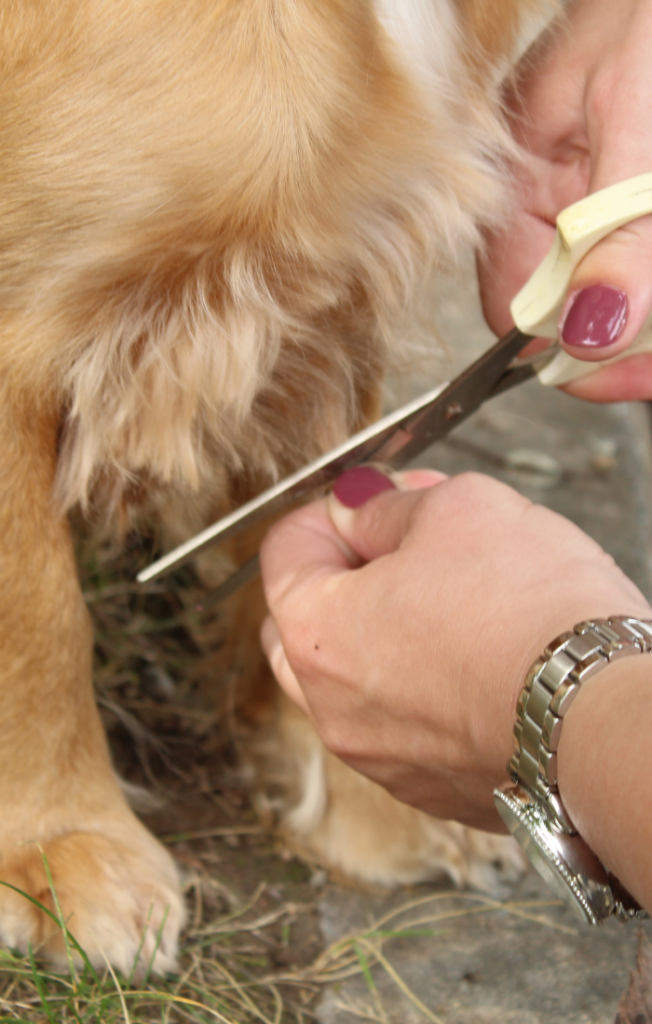
Professional groomers use electric clippers to get the grooming done faster. But while grooming at home, proceed in cutting the hair only if you are well known for its usage. Else, scissors are a safer option that could be used to trim your dog’s hair. Be extra careful when you work around your dog’s pads, ears and face.
- Wipe off the dirt from nails:
Dog’s nails are the most important part to be trimmed. It is necessary to clip his/her nails as to stop them from growing long and causing pain when scratched or rubbed onto surfaces. Usually, your pooch might not settle in one place when you try to trim his/ her nails, so skip this step if he is nervous. Instead, take them to a groomer.
What not to do?
- Do not panic or attempt uncertainly:
If you are not sure of any methods, please refrain from proceeding further. Before you practice grooming at home, take recommendations from your vet or your groomers for tips and tricks. Do not get nervous and panic – it might frighten them too.
- Avoid using human products:
Do not ever use any of the human bathing products like shampoos and toothpaste on your pup as they are high in chemicals. It could lead to toxic reactions. Double-check on the products if it is dog-friendly before you use it on them.
- Don’t overdo any steps:
If you feel your dog looks dirty and uncomfortable, you do not necessarily have to clean them frequently. Too much of washing and brushing can cause injuries and soreness. Also, if your dog looks infected or injured before you start grooming, take him to vet for an examination.
- Don’t neglect the ears:
Cleaning dog ears can be a challenge. After a bath, keep a cotton ball, ear-cleaning solution, and a towel handy. Do not use Q-tips or any materials with pointed tips as they could harm the ears. Consult with your vet or groomer for proper instructions to clean his/her ears.
- Don’t be haste:
It takes you a couple of times to get your dog suitable for home grooming and the processes. Do not continue grooming your dog at home with any doubts or discomfort. Try to learn more about them and if you feel your dog is still nervous, choose a groomer that can perform it at home.
It is important that you groom your dogs, but becoming knowledgeable with the whole process will help your dogs to stay safe and healthy.

During the pandemic, we had plenty of time to spend with our lovely dogs at home. They had your company throughout the day. But now that the city is resuming to ‘normal’ lifestyle, how can you train your dogs to be alone at home?
Canines are usually social beings in nature. Being alone without their master can be stressful or frustrating to them. Experts call it separation anxiety in dogs. It could be triggered only when they do not have any human company. It could grow into a complex condition in them if we ignore to help your dogs. You do not have a cure as this is not a mental disorder but you can help your furry friend manage it.
Just like how you prepare them for potty training and feeding, it is advised to train your dog to stay at home alone when you are not around. Oscar Daisy suggests you few simple steps to teach your dogs to cope while you are not available.
Stick to a routine:
Training your dog with a routine will help you in long run. Stick to certain habits like mealtime and exercise time for your dogs. Also, make sure to merge your working hours as their timings to sleep, to play with the toys, and to patiently guard the house. When the schedules are easier to predict for your puppy, they’re more likely to be calm.
Give your dog his own safe space:
A method to make your dog feel comfortable is by providing her/ him with a place to sleep and to rest at home. It could be a crate or a small bed where they could retreat. Try to leave your dog alone at that place for at least 30 minutes every day and gradually increase the time. They will start adjusting to being alone, as you will eventually come back. Please note that they cannot be encouraged to sleep on the bed with you. Experts say that making them non-detachable from us while we are at home will lead to separation anxiety as you leave. They might whine and bark but be determined in making your dog stay at his place.


Keep your arrivals and departure casual:
Unlike humans, dogs do not need a welcome address. Be calm and do not pamper them with too much attention. Normalize the habit of entering your house and ignoring him before spending time with your dogs. They will slowly adapt to the concept of personal space and it will help them relax. Also, please refrain from showing all of your anger or frustration at your dog. That could frighten and give them a shock.
Teach them to act at commands:
Train them with commands like ‘sit down’ or ‘stay’ as you move away. Return and reward them with treats. Start doing this right away from day one. Eventually, you will be able to see your dog stay put while you move further away. If your dog reacts negatively, do not punish them. It will not help in building their behavior. Also, you need to be patient throughout the process. They cannot learn in a day, so give them the time.
Make your dog perform exercises and leave:
Some dog parents tend to take their dogs for a walk or a long run before they leave for work. This will completely keep their fitness on track but also tired enough to spend their alone time, resting. We cannot expect them to be quiet and calm while we are gone but, if they are tired, they will surely take off time and rest till you are back home.
Finally, please seek professional help if you find your dog in discomfort and worry. It could be mild or severe separation anxiety. As much as you love your dear puppy, it is necessary to make sure they are at peace. Also, the key to keeping your dog happy while you are gone is to not punish them for their behavior. They are acting out of distress so be more considerate. Consult your veterinarian or your dog trainer for more suggestions.

Brown rice is an important source of carbohydrates for humans. They are rich in fibre and antioxidants but, can dogs eat brown rice?
The answer is yes. You can very well serve brown rice to your dogs. Your puppy can eat and digest grains and food that are sourced from plants.
Is brown rice good for dogs?
Brown rice is one of the healthiest grains that you could include in your dog’s diet. Apart from fiber, it has a high level of antioxidants, manganese, magnesium and selenium which helps in maintaining your dog’s energy and blood sugar levels.
As an ingredient, brown rice has a lot to offer. You can add it in your pup’s diet if you want to replace any other ingredient for variety. For underweight dogs, brown rice will help in gaining weight. Intestinal problems and allergies could be controlled. A bag of brown rice is economically friendly too.

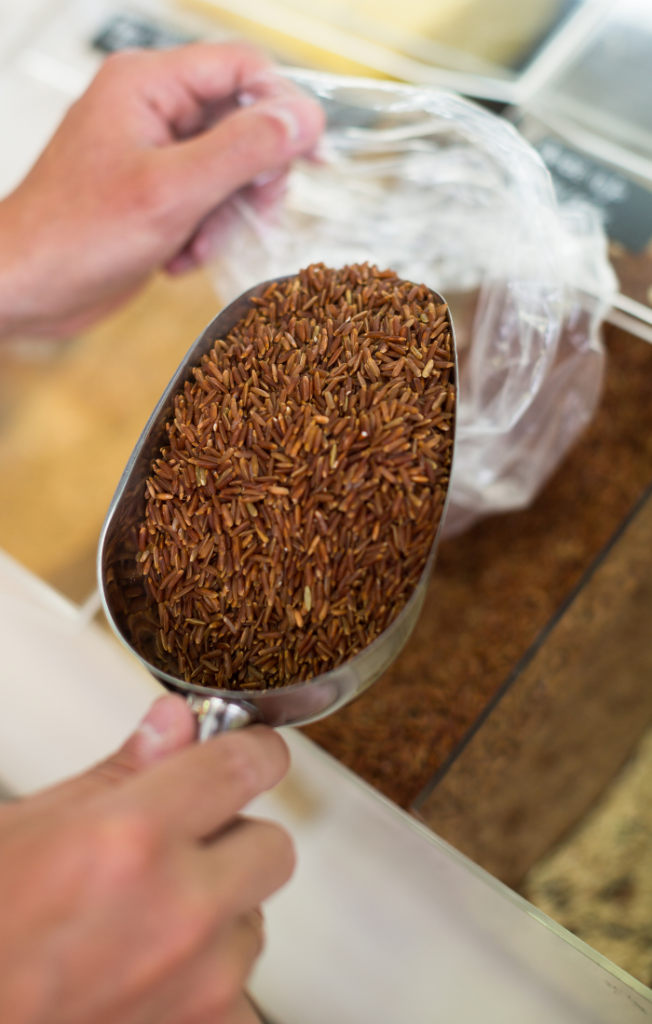
Brown rice works towards efficient metabolism and supports the healthy functioning of your pup’s heart. Since it is all-natural and less processed, brown rice is very nutritious but beware of the quantity you provide your dogs.
How often can dogs eat brown rice ?
Brown rice is a very healthy ingredient but it adds a lot of calories to your dog. Do not plan to replace your dog’s meal with brown rice. Instead, strike a balance between other ingredients and the rice. Restrict yourself from feeding your dog with brown rice 2-3 times a week. To avoid weight gain in dogs, keep the portion of brown rice lesser than other ingredients. Try to avoid low-graded rice products.
How to prepare brown rice for dogs?
Brown rice can be cooked using a steam cooker or a pot filled with water. But restrain from using any fatty ingredients like ghee, oil, or any spices because it could lead to indigestion. You can include chicken or vegetables with cooked rice and feed your dog.
If your dog has an upset stomach or diarrhoea, do not follow the usual meal plan. Give them a break and let them fast for 12-24 hours. After the fast, you can make a bowl with two parts of rice and one part of the meat to help them recover. This will soothe your dog’s gut and gradually you will be able to shift to their previous diet.
Oscar Daisy has a variety of meal plans with brown rice and vegetables or chicken to ensure proper nutritious meals for your dogs. Head to our website now to know more!!

When you have a dog at home, it is not always possible to keep our food away from their reach. Dogs tend to sniff and try out any edible piece that is available to them including fresh fruits to harmful chemical-based products.
As a dog parent, are you aware of what you must not be fed to your furry friends? Oscar Daisy lists out the top 10 human food toxic to dogs.
Apple Seeds:
An apple a day keeps the doctor away, is not quoted for humans alone. The fruit is a healthy snack for dogs as well. However, it contains a very harmful chemical component that releases cyanide when it is digested. The toxins enter the bloodstream and damage the functioning of the systems. Beware of the apple seeds while you feed yourself and the dogs with the fruit.
Avocado:
Avocado is a very popular fruit among fitness freaks. Humans have added it to almost every meal. Well, they contain a natural substance called Persin, which is very harmful to our puppies. Persin can be found in its leaves, fruit and the seed hence making it unfit for dog’s consumption. If in case your dog eats avocado, he/she could vomit, suffer from diarrhoea and abdominal discomfort.
Citrus Fruits:
While many dogs enjoy the slight flavor of citrus fruits like lemons and oranges, it is suggested by experts to avoid this. The major health issue would be gastrointestinal disorders. The reactions depend on how much he/she consumed and his sensitivity to the strong essence. The essential oils present in the fruits can show toxic effects. So make sure to feed them in less quantity.
Chocolates:
Not all your favorites are always pet-friendly. To be precise, chocolate and cocoa products can build toxicity in the dog’s system. The component called theobromine makes it hard for puppies to digest and leads to seizures, internal bleeding, or even heart attack. The most dangerous type is dark chocolate hence avoid feeding cocoa products to your pooches.


Cooked Bones:
Bones have various benefits for dogs. It helps in exercising their jaws and keep their teeth clean. Still, there is a common mistake made by many dog parents. Cooked bones can never be fed to doggies. No matter if they are baked, steamed, boiled, or fried – it can dissolve the nutrients and make the bones very brittle. They splinter into pieces when chewed and could lead to choking and swallowing. Dogs can experience severe issues if the fragments get stuck inside. But it is ok to offer raw or uncooked bones to your hounds.
Garlic and Onion:
The best tastemakers of any human food are undoubtedly garlic and onion. They can be beneficial to us, but they are toxic for dogs. The chemical formulae present in the vegetables can damage hemoglobin levels and leads to organ damage. Some dogs have reported having digestive issues too. Large amounts of garlic and onions in any form must be avoided.
Grapes and Raisins:
Grapes and raisins are a huge no for dog consumption. It includes all colors of grapes, types, and varieties. The components of these fruits can severely damage kidneys and liver damage. The cause of toxicity is not accurately found but we advise you to never feed your dogs with these fruits.
Raw Meat:
Although raw diets and meat are popular these days, it poses many health risks. Since dogs are domesticated pets, they cannot digest uncooked meat. Also, the flesh could still carry bacteria and parasites that harm your pooch’s body. That is why we recommend cooked meat to kill the microbes and avoid health issues. You can feed your dogs with uncooked, fresh meat but it could be risky.
Salt and Sugar:
Salt and Sugar are the two main components that cannot be excluded from dog meals. Still, it is our responsibility to maintain the right levels of salt and sugar for them. Too much salt can lead to sodium ion poisoning, vomiting, depression, and a high amount of sugar can lead to diabetes and obesity. It is not possible to completely remove the sugar content but make sure that you do not give large dosages to your pups.
Yeast:
Yeast in its raw form is a most dangerous ingredient for pooches. If you have any dry yeast or yeast included dough left somewhere at home, please keep it away from your dog. If he/she consumes yeast, it will expand and rise in the stomach, rupturing their tissues and causes discomfort. It could lead to yeast poising. Sometimes, it can ferment and escalate to alcohol poisoning. Hence, ensure to never feed your dog with food that has heavy yeast content.
We at Oscar Daisy offer a wide range of recipes and diet plans that includes the healthy addition of human-grade ingredients to maintain your dog’s system. Our nutritional food does not include any artificial preservatives or additives and is 100% home-cooked. Our fresh baked dog treats are also a great source of healthy factors. Subscribe to us or check here for more information.
If your dog has consumed any of these above-mentioned food items in any amount, do check for symptoms and contact your veterinarian. Always stay informed and alert before choosing to feed your dog something new.
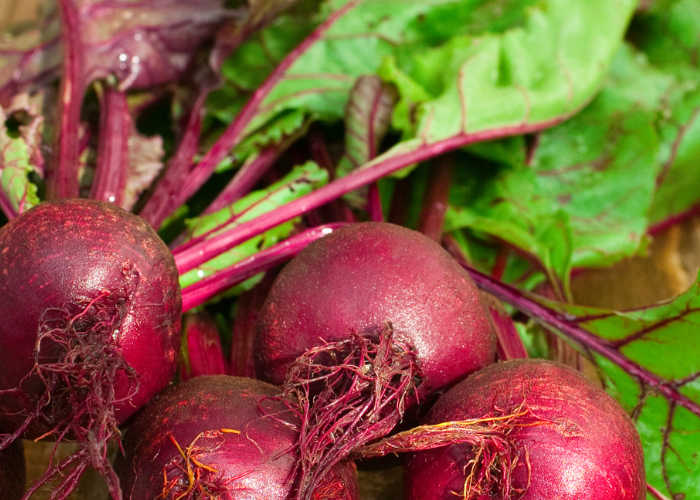
Beetroot is well known as a great source of nutrients for humans. Similarly, can dogs eat beets? Is beetroot safe for our dogs too? Yes, the health benefits of beetroot for dogs are numerous. Beetroot has plenty of nutrients that improve not just their health but also their skin and coat.
Beetroot, also known as red beet is a root vegetable that is widely consumed by Indians regularly. The health benefits of beets for dogs are several. The vegetable is goodness packed with minerals, vitamins, potassium, and manganese, which can boost your pup’s health and wellness. For the longest time beetroot has been used in the supplements and antioxidants prepared for our dogs.
Here is our list of 5 reasons why beetroot fits perfectly in your dog’s diet.
1) High in Fiber:
Red beet is loved for its high fibre content. Dogs with intestinal disorders can try beetroot to regulate the functions. Beets also help by improving digestion in dogs and absorbing nutrients. They offer the best cure for diarrhea or constipation. So, the next time your dog feels uneasy to excrete, you can include a small amount of beetroot to ease the pain.
2) Regulates the functioning of systems in the body:
Since beetroot is rich in vitamins and minerals like sodium, magnesium and potassium, it helps you keep your puppy healthy. Muscular and nervous systems and other neurological functions are regulated with the consumption of red beets. Also, this vegetable is rich in folic acid, which helps to form red blood cells in dogs. The vitamins present in the pulp can ensure healthy vision and skin for your pooches. Serve the beets cooked and mashed or simply shred it as a topping to your pooch’s meal.


3) Acts as a powerhouse:
Red beet is one of the ingredients that can act as a nutritional powerhouse for dogs as long as served in proper quantity. Adding this vegetable in its fresh form to your dog’s meal is the best way to feed them beets. You can serve beetroot raw or boiled to make the most out of their benefits. But make sure to never feed your dogs canned beetroot, since it is filled with preservatives.
4) Fights against certain diseases:
http://www.oztheterrier.com/2016/02/3-reasons-to-feed-your-dog-red-beets.htmlOne of the important benefits of beetroot for dogs is the disease-fighting polyphenols present in them. This antioxidant with deep red color can produce anti-cancer agents and increase the oxygen level in the cells. Beet pulp also helps to moderate your dog’s blood pressure and regulate the cardiovascular system. You can also include beetroot in your dog’s food to improve their immune system functions.
5) Detoxifies the body:
Red beet contains natural detoxifiers that work towards relieving and preventing itchiness in dogs. They can also act as blood cleansers. Dogs can also slowly recover from their inflammatory conditions with proper consumption of red beets.
Red beets are packed with more surprising benefits for our furry friends. We at Oscar Daisy offer a wide range of healthy and tasty recipes and diet plans. Our nutritional food is natural with zero artificial preservatives or additives and is human grade. Our fresh-baked Beet Banana treat is the yummiest way to provide the health benefits of beetroot for dogs. Our dog treats can be healthy crunches for your pooches. Subscribe to us or check here for more information and to place your order for your pooches.
Disclaimer: The above-made statements are suggestions and facts. Do not proceed with feeding any ingredients to your dogs without proper consultation with your veterinarian.
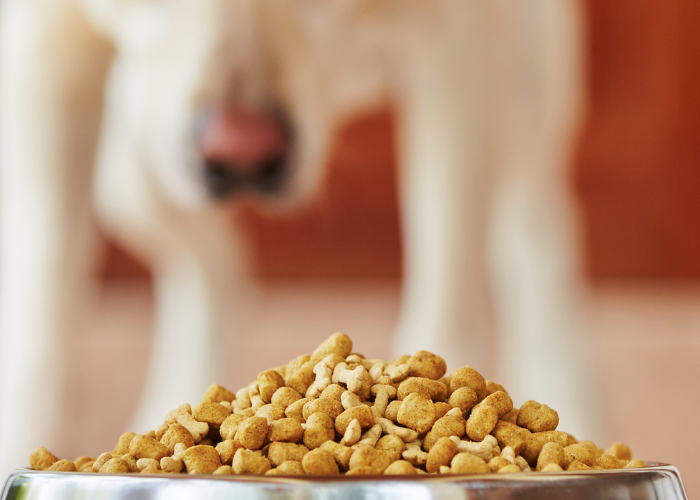
The emerging trend of dog food plans and new products in the markets has changed the perspectives of the dog parents. They are more particular in making the right choices for their dogs more than ever.
In that case, a majority of dog owners are inclining towards dry dog food products. Studies reveal that these products are easier to access, have a longer shelf life and very convenient. They are also cheap and comes in good quantity.
For dogs to survive with good health, they must be provided with species-appropriate nutrition. Some dry dog food products claim to provide the necessary health benefits for your pooch. But, are you aware of the ingredients that are included in dry dog foods? Do you know about the disadvantages? Will your dog benefit from this product?
We, Oscar Daisy have listed 5 reasons as to why Dry Dog Food must not be fed to your furry friends.
Dehydration:
Dogs need sufficient water to regulate their body functioning. They can be deprived of food for a while but dogs cannot survive without water. Dehydration in dogs is one of the most dangerous situations.
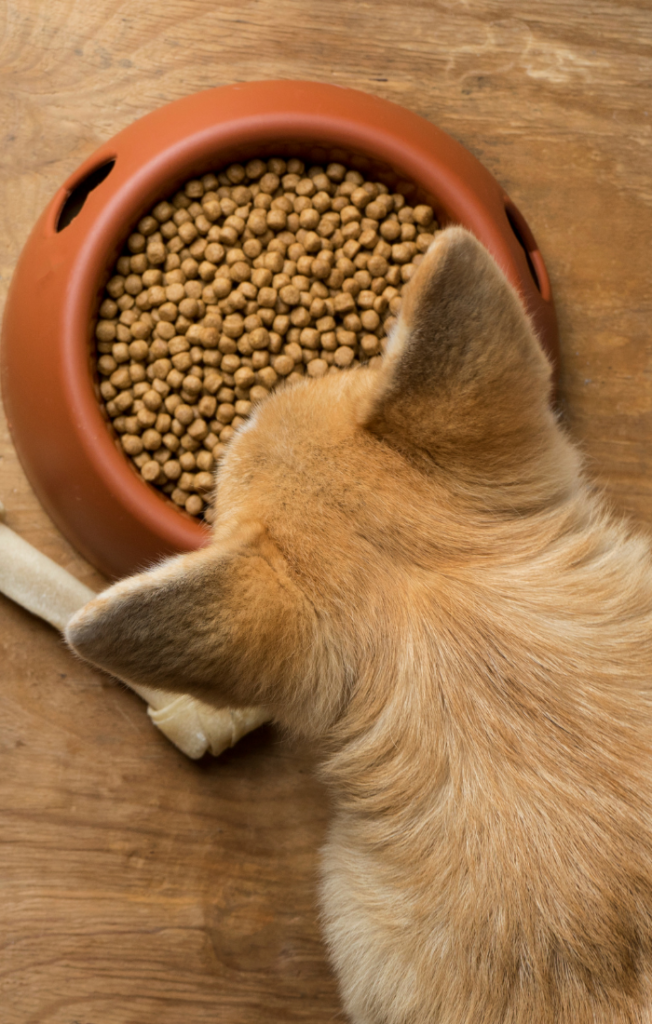
Dry dog food, as the name suggests, do not contain moisture. They are low in water or any liquid content, making it fit for longer shelf life. But this sole reason can disrupt your dog’s organs. Without moisture, the food is very dry and brittle for them to chew or swallow.
Consuming dry dog food will not make the digestive process easier. There is no hydration produced from the food, making it unfit for boosting energy. This forces dog into a state of dehydration. There could be symptoms like loss of appetite, panting, dry nose, loss of energy and skin elasticity.

Highly Preserved Ingredients:
Dry dog foods come in fancy packaging and from various parts of the world. They have many flavours and varieties. But the truth is that their ingredients do not carry their nutrients. Since the goal of these products is to provide easily accessible food for dogs, the companies prepare the food under high temperatures. Many flavouring techniques and artificial substances are used in the recipes. They are toxic to your dogs and cause various allergies. Many manufacturers claim to not use preservatives however do not believe them blindly.
Another shocking ingredient used in preparing dry dog food is sensory additives. To lure the dog to eat the food that is deprived of meat and nutrients, sensory additives are added in a high quantity. This stimulates their interest to eat the kibble and creates a positive effect among dog parents. Manufacturers follow this process to attract more consumers and make a profit. What we do not realize is that dogs can experience many health defects if they are exposed to these chemical substances. If you find any food product that claims to be ‘free of preservatives’, ensure to check for other additional chemicals. Please refrain from purchasing it for the longevity of your dogs.
Presence of more grains and carbohydrates:
Dry dog foods mostly carry grains or cereals as their base ingredient. It is because they are filling, cheap and provides more quantity than meat. They are filled with components that add up levels of carbohydrates and fibre.
As dog parents, we overlook the fact that dogs can only intake smaller amounts of grains and carbs. We go against their nutritional chart as we feed these products. With no proteins or desired vitamins and minerals, kibble is provided to pooches as meals. Sometimes even grain-free food compensates the loss of grain content by adding more carbohydrates. Do you think these food products can satisfy your dog’s nutritional requirements?
If the dry food products are fed for a long time to your puppies, they could experience many issues in indigestion and excretion. Since their gastrointestinal system (GI) cannot cut down food without proper nutritional content, it leads to strain on the dog’s organs.
High exposure to infections:
Dogs are naturally prone to many types of microbes like bacteria and salmonella, mites, mould and so on. With increased feeding of dry dog food, they develop a poor immune system which leads to infections. Mites and bacteria can rapidly multiply in these products too. If these microbes stay inside the dog’s bodies, they can cause high blood pressure and increase their body temperature. Although dogs can digest these and excrete them out of their bodies, it can slightly cause discomfort to them. It is probably for the best to avoid such food products to safeguard your dog’s health.
Deterioration of physical health:
Dogs’ oral health is a sensitive topic. No matter how hard we try to maintain good care, dogs tend to lick and chew on substances that can cause infections and allergies. Apart from this, dry dog food can cause damage to teeth and their gums. It is because when the dry food enters the system without moisture, the stomach releases more concentrated acids. This in turn increases the pH level in dog’s saliva, hence leading to tartar formation and other issues. It is not restricted only to dry food. Even sugary or salty content can cause discomfort and lead to unpleasant situations for dogs.
Dogs which regularly consume dry food can also appear to be obese or have GI problems in the long run. As we said earlier, grains and carbohydrates in huge levels are converted into sugar by your dog’s stomach. They are deprived of other proteins and nutrients, which brings the overall energy to a low point. With this increase of sugar levels, if you ask your dog to do exercises or move around, he/she might find it difficult to sustain for a long time. To avoid this, you have to ensure in providing quality dog food.
So, what can I do?
The reasons listed above are only a few from many. Dry dog food products thrive in the market because of their time and money consuming feature. Also, they come in various flavours hence it looks interesting for dogs too. But now that you have come across so many disadvantages of choosing dry dog food, make your choice.
Alternatives to this dry processed food would be fresh, natural, human-grade food . You can provide freshly cooked balanced dog food as per their individual needs. Always keep in mind that ingredients do matter the most. The processes and the nutrition are also to be noted while you purchase the food for your pup.
We at Oscar Daisy offer a wide range of recipes and diet plans that includes healthy addition of human-grade ingredients to maintain your dog’s system. Our nutritional food does not include any artificial preservatives or additives and is 100% home-cooked.
We make sure to provide food that are easy-to-carry but also nutritious. To serve as snacks, we have specially made dog treats with natural components. They are also a great source of healthy factors. To know more about the food plans, subscribe to our plans us or click here.
Before opting to any food plan, please make sure you consult with your dog nutritionist or veterinarian and make the best choice. After all, a healthy dog constitutes a happy living.
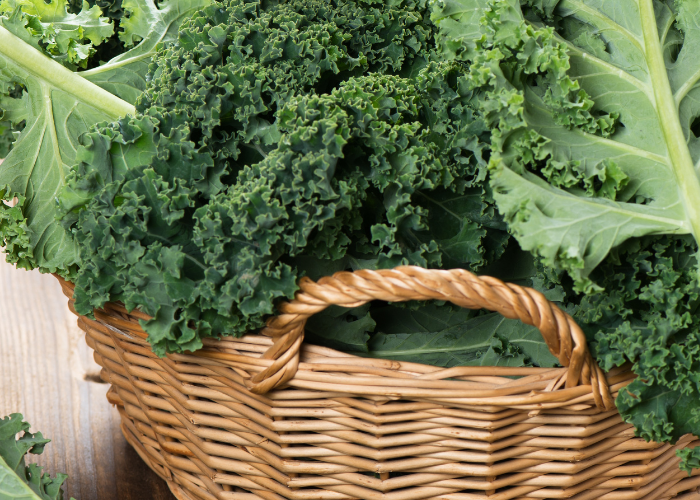
Dogs are commonly assumed to be carnivores, an animal that can feed only on meat and flesh but, the fact is that they are omnivores who love to eat both meat and plant-based food. As dog owners, we concentrate on giving them unsweetened treats, food mixed with meaty gravy but have you tried feeding them with leafy vegetables?
Kale is a superfood that belongs to the cabbage family. They are quite similar to vegetables like broccoli and cauliflower and usually have green or purple leaves. The difference is that it is completely leafy and there is no head part, which makes it a no-waste vegetable.
The recent human food trend has witnessed the role of Kale in several meal varieties from smoothies to salads. But is kale good for dogs?
Health benefits of Kale:
Kale is rightfully called a superfood as it has an equal level of vitamins and minerals like calcium, magnesium, iron and potassium. These minerals play a vital role in strengthening your puppy’s heart and bones.


As kale is a cruciferous vegetable, they provide high nutrition and boost the energy levels in the body. Adequate consumption of kale will regulate blood and muscle health, cleanse the immune system and could also help in preventing inflammatory diseases.
Kale is loaded with antioxidants like lutein, beta-carotene and zeaxanthin, which could help protect your dog from cancer and support vision. They can also help your dogs to detox and to avoid infections.
Chlorophyll pigment in kale can regulate haemoglobin levels of your dog. Since the pigment has a similar chemical structure to your dog’s haemoglobin, oxygen flow will be improved. They are rich in fibre and lower in calories, which makes it a perfect food for dogs who overweigh. You can mix it with their meal or feed them with kale treats.
Harmful effects of Kale:
Dogs can be fed with kale as a supplement to their meals, with meat, balancing nutrients and lots of protein-rich ingredients. They are very helpful to fight against cancer but they are high in calcium oxalate, which is not good for dogs. This mineral could lead to issues like kidney and bladder stones.
It is proven with studies that everyday consumption of Kale could disrupt the functioning of the thyroid and lead to intestinal upset.
Even with many health benefits from this vegetable, you need to be careful with the proportion. When kale is added in excess amount, they lead to nutrient deficiencies in dogs. Some doggies can be intolerant to kale. You can easily deduct it if they are often releasing gas or refuse to eat the meal.
The Do’s and Don’ts for feeding your dog with kale
While kale is a good source of antioxidants, you need to be careful in feeding them without losing the nutrients. Find shops that sell only organic, pesticide-free kale to reduce the toxicity. Never try to overcook the vegetable by boiling it for a long duration. Lightly steam it to reduce the harmful effect on thyroid levels. To avoid the difficulty of digestion in dogs, introduce kale to them gradually.
Kale should be a part of their balanced meal, do not make it the major ingredient. Some breeds and sizes cannot tolerate the leafy content in their meal. Be watchful and avoid continuing with kale if your dog experiences gastric problems. Also, dogs with issues of thyroid and stones should minimise the kale intake.
But if you wish to include kale in their food for weight management, please consult with a nutritionist or a veterinarian for better clarity.
What do experts say?
Kale can help your dog to boost overall health but it is suggested that you feed them occasionally. If your dog accidentally eats a bit of kale, it is alright. It will not bear negative effects on him. But keep an eye on your puppy for discomfort.
To feed or not to feed kale, the famous pet care expert says, “Follow your grandma’s advice: everything in moderation! The crucifers are the warrior veggies that knock out cancer; don’t deny your dogs the benefits of the indole-3-carbinol found in these healing foods, but use them in rotation. Buy crucifers grown in organic soil to avoid thallium contamination from environmental pollutants. If dogs have been fed conventionally grown cruciferous vegetables, both cilantro and chlorella can be used to naturally bind and excrete (chelate) thallium from the body.”
A healthy diet usually includes all the required nutrients from various sources like vegetables, meat, grains, and fruits. We often feed our dogs veggies, meat, and grains. But when it comes to fruits we get skeptical about what to feed our pooches and what not to! What fruits are good for dogs?
Just like us, dogs also love fruits. They will gain healthy vitamins from the fruits. But feeding them with non-recommended fruits can cause long-term health issues.
Dogs have a tendency to digest fruits in a different way. Their diet does not necessarily require the inclusion of fruits. If you still wish to share some of your favourites with your furry canines, make a note of this list of fruits you can feed them in their snack time:
Apples
Apples are good for dogs. They are rich in vitamins A and C, are a delicious crunchy snack. They have additional wellness of fiber and protein, so it’s a good choice. Be careful of what you feed him/her – only the skin and flesh of the apples are safe for dogs. Ensure that your dog does not come in contact with the seeds. Apple seeds contain cyanide, which can cause harmful effects to your dogs.

Bananas
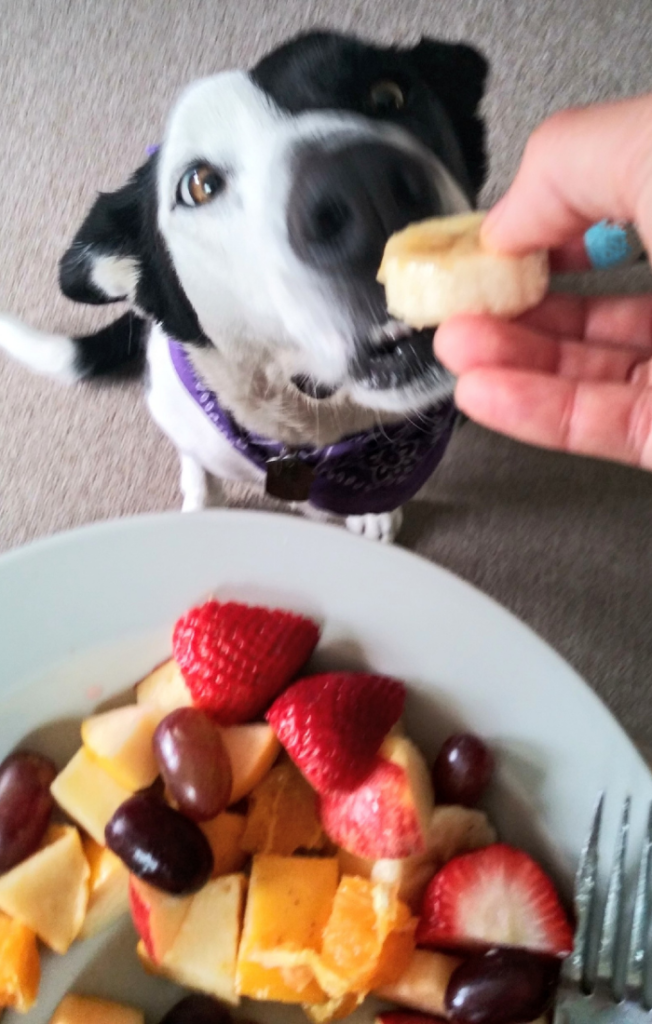
Bananas are high in nutrients like potassium, fibre, copper and vitamins and low in calories, which fit perfectly in a dog’s snack chart. You can either use it as a treat or feed them in the middle of the day but do not add bananas as a part of your puppy’s meals. This is because the fruit contains high sugar levels. Moderation is important.
Blackberries and Blueberries
The berries are often considered to be harmful to pooches. But honestly, fruits like blueberries and blackberries are very healthy for dogs. While the rich color of these juicy berries denotes good levels of antioxidants, they bear many benefits. Blackberries are must-have snacks for boosting immunity while blueberries can repair cells and help in fighting cancer. Although they are perfect for treat purposes, make sure you reward your dogs with a proper number of berries. If you feed too much, your puppy might get diarrhea and increased sugar levels.
Cucumbers
Dogs with overweight can definitely consume cucumbers as they contain no fats, oil or carbohydrates and are loaded with vitamins. Since they feel very light and contain high amount of magnesium and biotin, cucumbers are great to beat your pooch’s summer heat.
Mangoes
A perfect fruit of Indian summer – Mangoes, can be fed to your pooch also! In fact, they are one of the dog’s favorites. Since the sweetness and juicy flavor are balanced, you can give it to them as occasional treats. Beta and alpha-carotene in mangoes also add benefits to a healthy dog life. Ensure to remove the seeds before feeding, just like for apples.
Oranges
Usually, citrus fruits are avoided for dogs. According to veterinarians, it is ok to feed them the flesh of oranges. This fruit consists of vitamin C, potassium and fibre at required amount. However, your pooch might not like the strong smell of the citrus. Remove the peel and seeds before giving it to your dog. Do try it once and if the reaction is bad, do not proceed with feeding.
Pumpkin
Pumpkins are the best source of nutrients for dogs. Rich in zinc, beta-carotene, alpha-carotene, iron, fibre, vitamin A and potassium, pumpkins can be a super-efficient supplement in your dog’s diet. It aids with digestion and gastrointestinal problems. You can try feeding them with the pulp or seeds.
Oscar Daisy offers freshly baked crunchy Oats Pumpkin & Pumpkin Bake treats made with fresh pumpkins and natural herbs to enrich your pup’s health. You can check here for more information.
Peaches
This summer fruit can be consumed by dogs in adequate amount to enjoy the nutrients it offers. They are rich in antioxidants and vitamins. Consumption of peaches in an improper measurement can increase fiber and sugar levels in the dog’s body
Strawberries
This pink fruit loaded with fiber and vitamin C is a perfect choice for your dog’s snacks. The berries contain enzymes that support teeth whitening too! Strawberries are a tasty option for dogs, and when fed in moderation keeps harmful effects at bay.
Watermelon
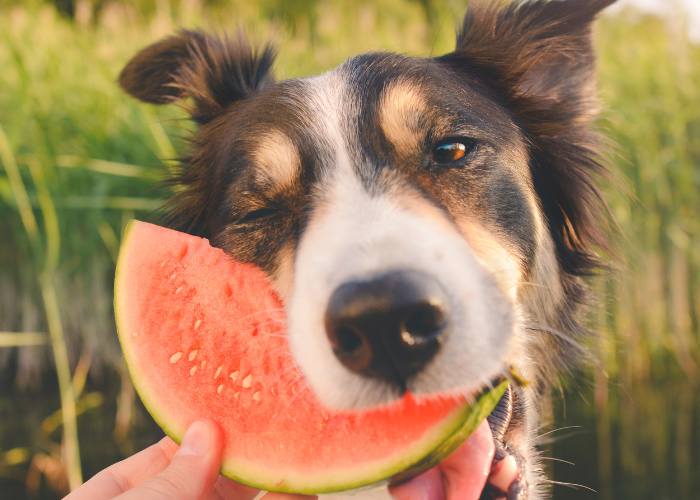
All of us love to eat watermelons and so do dogs! The flesh of watermelon is safe to be consumed by dogs as they are filled with vitamins and potassium. It is a very low-calorie fruit with more water content, which makes it a perfect snack for summer days. Be careful to take out the seeds before you feed them.
The above-mentioned fruits must be given to dogs only if
- They are fresh
- They are vet-approved for your dog
- They are organic or at least, free of chemicals
- They are not to be substituted for meals.
You can feed your dogs with smaller portions of fruits during the initial days. If he/she does not react well, discontinue the process. Some dogs do not prefer fruits to be eaten in raw form. Hence, try to add it to their food or use it while preparing homemade treats. Always, be careful to remove the seeds from fruits for your dogs. We do not want complications to occur so avoid all of the seeds, rind, and skin.

The food we consume every day has natural and artificially added chemicals. A few are good for metabolism and adds to our nutrition but there are many harmful compounds that can deteriorate our health system. Recently an increased amount of a toxic chemical, acrylamide in pet food has been reported.
What is Acrylamide?
Acrylamide is a chemical substance that builds up naturally through chemical reactions of sugars and amino acids in plant-based foods. Under high temperature, the starch in our food reacts with carbonyl groups to undergo a chemical reaction. Acrylamide is absorbed by both animals and humans via ingestion and through the skin. This substance is considered harmful and can lead to cancer in animals.
They are mainly found in the food sourced from potatoes, grains, and is also seen in dairy and meat products at low levels. The build-up of this chemical in food highly depends on the cooking time and temperature.
Many pet parents recently have raised concerns over the increased levels of acrylamide in dog food. But how do they work? How does it affect our dog?


Acrylamide in Dog Food:
The ingredients of dog food in the past years have changed rapidly. New products like dry food, extruded kibble, and diets with a high proportion of starch are extensively available for dogs. Pet parents also purchase food products replacing grains with potatoes. Corn or even meat is substituted with high-levels of carbohydrates. And to provide better shelf life, the dog food is prepared at very high temperatures. How does it concern the dogs?
Dogs are often exposed to and fed the same, single food product for a long period. Unfortunately opting for organic food over food products with toxic preservatives, does not lessen the risk either.
Usually, it’s not healthy for dogs to consume huge amounts of starch or carbohydrates. As canines, they should be served a well- balanced diet of meat, nutritional vegetables, and proteins. However, the demand for dry ‘grain-free’ kibble and wet food has seen a sudden rise. Dog parents find it convenient to provide foods that are raw food bought from the market. The one thing we fail to understand is that their meals being contaminated is high.
When we choose processed food like kibbles and canned food, we tend to overlook the nutritional value. We are not sure if the product gives you the nutrition that it claims to possess. On top of that, when we re-heat, frying, or bake the food, we expose it to higher temperatures. This temperature rise will not just take away all the necessary nutrients but also produce natural Acrylamide. This mostly occurs in the production of kibbles and products based on starch, but the manufacturers add tons of other complexes which cover the deficiencies. Acrylamide in dog food can cause neurotoxic effects in your dog’s body as it is slightly carcinogenic and could lead to cancer.
The pet food industry has been taking the necessary measures to avoid the consumption of acrylamide by our pets. Dry and kibble food, canned food must not be regularly provided to our dogs. A raw diet can be provided but can increase the risk of infection. Human grade properly balanced dog food is the best option as we can be aware of the cooking methods, time, and temperature with the mix of right nutrients.
Experts suggest that food becomes healthier only with less processing. Make cautious efforts to balance your dog’s meal with sufficient amount of nutrients. Check with your veterinarian to know more about how to reduce acrylamide in your puppy’s meal.
We at Oscar Daisy offer a wide range of healthy and tasty recipes and diet plans to help you keep your dog healthy. Our nutritional food is natural with zero artificial preservatives or additives and is 100% steam cooked at optimal temperatures. The recipes have been carefully crafted to efficiently deliver the calorie requirements of your dogs. Subscribe to us or check here for more information and to place orders for your pooches.